Espresso Maker For Home Explained In Less Than 140 Characters
Espresso Maker For Home A quality machine is crucial for those who want to make coffee of the highest quality at home. It's important to understand what to look for when buying one. First of all, avoid buying machines that have built-in grinders. This will likely compromise your results. To achieve the most effective results, we suggest investing in a separate grinding machine and tamper. What is an Espresso Maker? An espresso maker is a type of coffee maker which makes use of steam and pressure to craft extremely concentrated shots of coffee. It's a relatively recent invention that was designed to improve on traditional methods of making coffee, such as drip or French press. Espresso makers utilize pumps to swiftly push water through a portafilter which is packed with tightly ground coffee. The quick brew time, combined with the additional pressure, produces a thicker consistency and distinct crema layer. The flavor and appearance of a shot of espresso are influenced by many different variables such as the type and quality of the grind, the temperature and pressure, among others. Coffeee are adaptable and can be tailored to make the perfect cup for you and your guests. Espresso machines are the most efficient way to create a beverage that is truly delicious. It lets you make quality drinks that are made in a café at home, like lattes and cappuccinos. There are two main types of espresso machines: steam-driven and pump-driven. Steam-driven espresso machines heat the water in an airtight vessel which creates steam. This steam pushes hot water through a portafilter that is filled with finely ground coffee. These machines are less expensive than espresso machines that are driven by pumps and are a good choice for beginners. They do not have the capability of reaching 9 bar of pressure that is needed to make an espresso. Pump-driven machines are more powerful and simpler to use. The portafilter is driven up and down by piston pumps that forces hot water into the cup. This method of brewing is more complicated than the steam-driven method, but it allows for greater control and customization of the drink to fit your preferences. Take a look at the Breville Bambino Plus if you are looking for an espresso machine that offers the best of both worlds. This fully automated machine comes with a number advanced features. It includes an LCD display that has five different temperatures and thirty different grind sizes. It also shows brewing progress animations, making it easier to make the perfect cup every time. The Bambino Plus includes dual-walled filters and a steam wand that can froth milk. Espresso Machines: Types, Uses and Usages There are a variety of espresso machines available on market. The main distinction is how involved you'd like to be during the making process. The manual machines require you grind and tamp your own coffee. Super-automatic machines do this and much more. Some also feature milk frothing, which can come in handy when making cappuccinos or lattes. 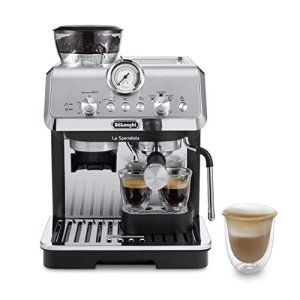 Steam-powered machines, like the moka pots on stovetop you're probably familiar with, can also be found. These machines use an airtight water tank that is heated to create pressure and steam. That force is then used to push the water through the filter and ground. These are typically less expensive than semi-automatic machines and offer the same result. Then you have the prosumer machines, which are scaled-down commercial coffee grinders and espresso makers that are made by companies like La Marzocco or Breville to draw in people who are serious about their coffee. These machines are more expensive, but they permit you to customize your coffee by adjusting the ratios and brew duration. There's also the manual lever machine which requires you to use your own force to make espresso. These are usually beautiful steam punk-like works of metal that look great on your counter, but they can cost thousands of dollars or more. You can find basic lever machines that cost under $500. This is a great choice for those who do not want to invest in a more expensive model. Breville Bambino Plus is one of the top espresso machines. It costs less than $500 and is easy to operate and clean. The Breville is also small which means it will not take up a lot of space on your counter. Philips Saeco XP602 Espresso Machine is another espresso maker that is easy to use and clean. The machine has pressurized trays that ensure that you get the correct amount of pressure and a good espresso crema. It also comes with a convenient jug that can be used to heat and froth the milk that you then pour into the espresso cup. How to Choose an Espresso Maker You can create cafe-style coffee in your home with an espresso maker. The machine can brew your drink of choice using a variety of options like pods, ground beans or frozen milk. There are a myriad of types of machines on the market and picking the right one depends on your preferences for brewing and your lifestyle. The best coffee beans is essential to brewing a delicious espresso. A manual espresso machine with a lever that you operate yourself is a challenge to master and only suitable for experienced users, but the results are delicious with full-flavor espresso. Semi-automatic espresso makers come with a built-in grinder for coffee, which eliminates the requirement to purchase individual packets of coffee beans. However, it is still necessary to manually grind the coffee and then tamp it properly for the best results. There are also fully automated espresso makers that complete everything for you, from grinding and tamping up to producing your espresso. These machines are not adjustable and can produce inconsistent coffee. If you're a coffee purist and would like to personalize your coffee in every way it can be, then a prosumer is the perfect machine for you. The name is a portmanteau of professional + consumer, and these machines are modeled after the commercial machines that professional baristas employ. The Lelit Pro X, which we tested, is a fantastic example of this type of espresso machines. It has an adjustable PID controller to control the temperature of the water to a precise degree, a shot timer and pressure gauge so you can see when your brew is ready, and steam wands for perfectly frozen milk. If you are not quite certain if an espresso maker is worth the money, we recommend consulting with an expert in the field to determine the most suitable model for your needs. Isaiah Sheese, owner of three Archetype Coffee shops and roasteries in Omaha, Nebraska, placed 4th in the United States National Barista Championship in 2023 and has plenty of experience with espresso makers. He suggests starting with a semiautomatic espresso maker equipped with the burr mill which will cost you about $500.